
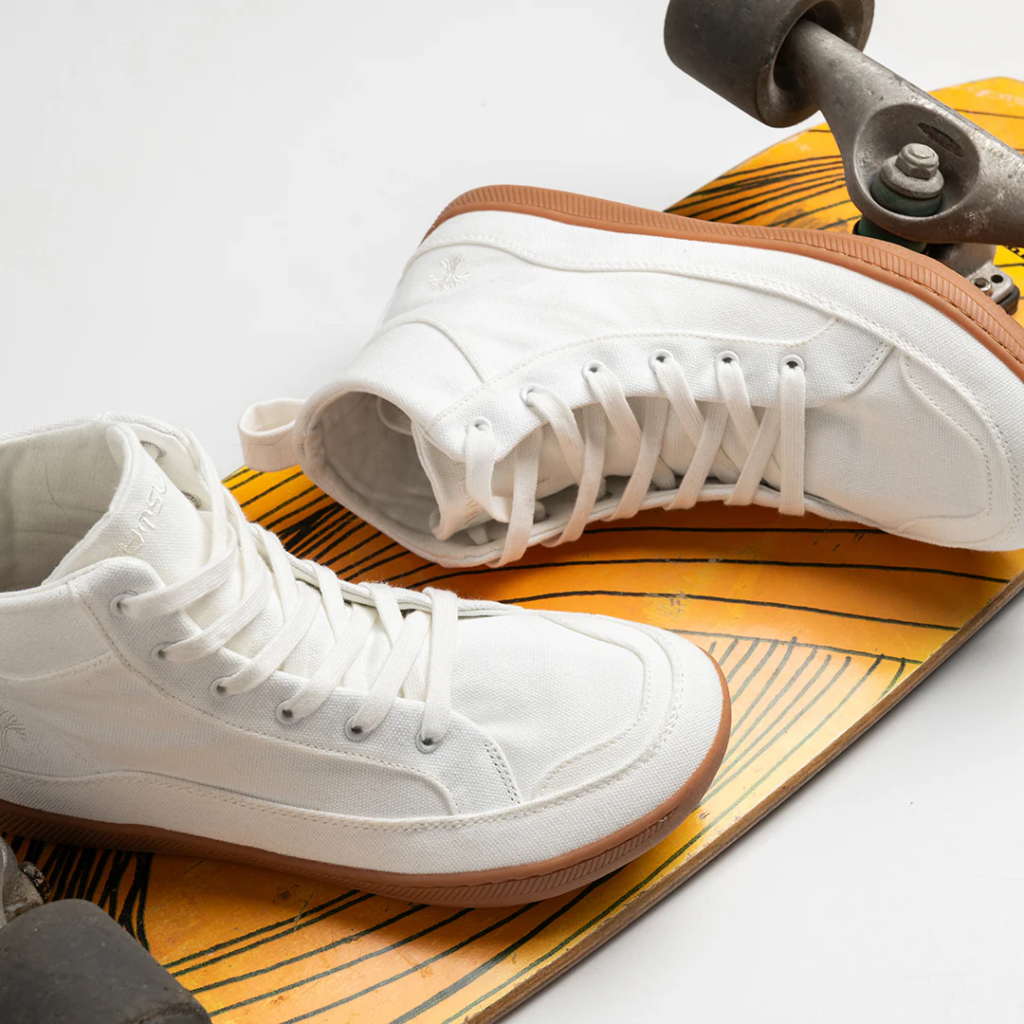
Ah, the eternal sneaker showdown: high-tops versus low-cuts. It’s a debate that’s been raging for decades, fueled by athletes, fashion trends, and plenty of personal bias. Everyone has an opinion, and most of them are loud.
But here’s the truth—it’s rarely about which style looks better. The real deciding factor is how your feet and legs feel after hours of use. Shoe height subtly affects fatigue, stability, and even confidence in movement. If you’re a musician standing under hot stage lights for an entire set, a retail worker logging ten-hour shifts, or a parent constantly pivoting, bending, and sprinting after toddlers, those small differences add up fast.
High-tops can make sense when you want a more “locked-in” feel around the ankle, especially during long periods of standing or frequent directional changes. They can also help distribute pressure slightly higher up the leg, which some people find reduces foot fatigue. In short, choosing between high-tops and low-cuts isn’t a fashion decision—it’s a comfort and use-case decision. And that’s where high-tops quietly earn their place.
The Ankle Support Myth: What Science Actually Says
Let’s clear up a common misconception: high-tops don’t magically prevent ankle rolls. Science shows that real ankle stability comes from muscle strength, coordination, and movement mechanics—not extra material around the joint.
That said, high-tops aren’t useless. They provide proprioceptive feedback, meaning they increase your awareness of ankle position. The gentle pressure around the joint sends signals to your brain, acting like a quiet reminder to stay mindful of how you move.
This can be especially helpful if you’ve sprained an ankle before or feel uncertain on uneven ground. While high-tops don’t physically stop movement, they can encourage more controlled steps. And that mental confidence matters—sometimes feeling supported is half the battle.
Activities That Benefit from High-Top Coverage
You don’t need high-tops for quick coffee runs or short errands. But in certain situations, they really shine—and the benefits go beyond style.
Traveling and city walking. Long days on your feet, uneven sidewalks, cobblestone streets, and endless subway stairs can be tough on exposed ankles. High-tops add a layer of protection against scrapes, bumps, and unexpected terrain, especially when you’re carrying luggage or distracted by crowds.
Stage performance. Musicians often stand for hours under hot lights, shifting weight and moving constantly. A flexible high-top provides light ankle coverage without restricting motion, helping reduce fatigue while still allowing precise footwork and timing.
Cold weather. Extra ankle coverage helps trap warmth and block wind, making high-tops a practical choice in cooler climates. You stay comfortable without needing thick socks or bulky layers.
Trail walking. On dirt paths and light trails, high-tops help keep pebbles, gravel, and twigs where they belong—outside your shoes. They also offer a bit more protection against brush and uneven ground, which can make longer walks feel more controlled and comfortable.
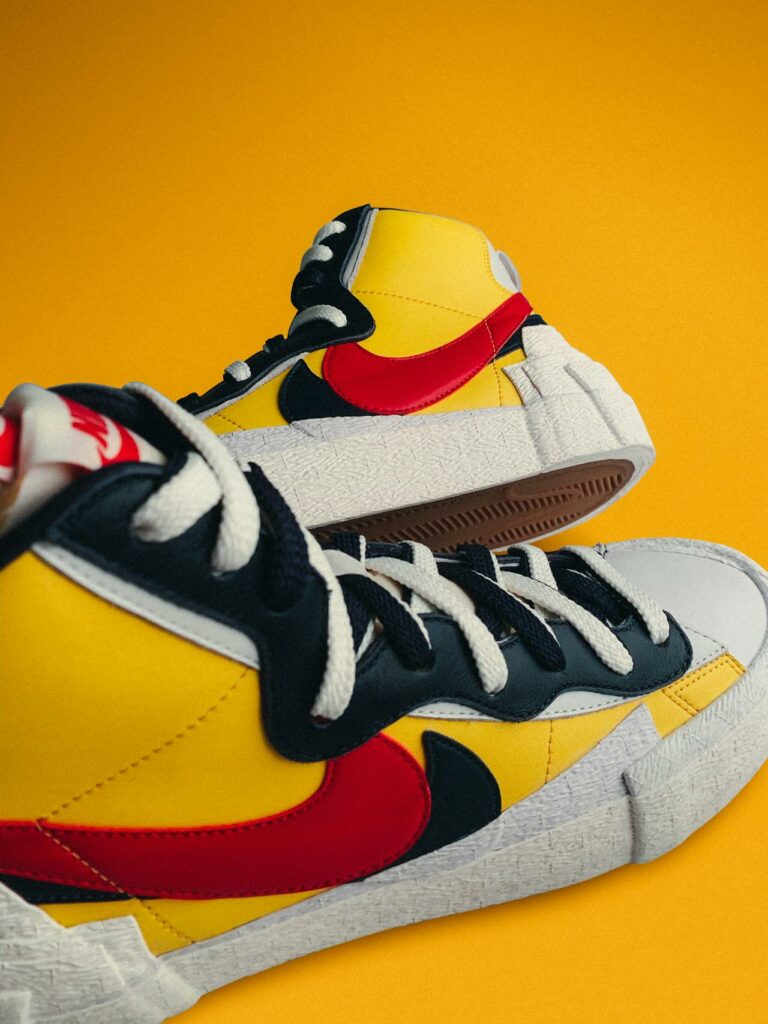
Style Meets Function: The Minimalist High-Top Revolution
Here’s where I get excited. Traditional high-tops have always had a problem—they’re stiff, heavy, and about as flexible as bricks. Your feet feel trapped instead of supported.
Then the barefoot shoe movement changed everything. Suddenly, high-tops could have zero-drop soles, wide toe boxes, and flexible construction. Shoes that actually bend when your foot bends.
Click here to shop for minimalist high-top barefoot shoes that nail both grounded comfort and clean aesthetics. Why pick between looking good and treating your feet right?
The best ones feature:
- Zero-drop soles—the heel sits level with toes, as nature intended
- Wide toe boxes—room for natural toe splay
- Flexible materials—move with you, not against you
- Lightweight build—no clunky heaviness
Real ankle coverage without sacrificing natural movement.
When Low-Cut Designs Make More Sense
High-tops aren’t always the answer.
Summer heat? Low-cuts breathe better when temperatures climb.
Quick errands? Airport security, beach days, grocery runs—low-cuts win the convenience game.
Certain outfits demand them. Some looks call for sleeker footwear. Fashion matters too.
Full ankle mobility needed? Yoga and dancing benefit from unrestricted movement.
The smart move? Own both styles. Pick based on your day.
Finding Your Perfect Balance
There’s no magic formula. The right shoe height depends on your life—what you do, where you go, and what feels good.
Build a small collection. Minimalist high-tops handle colder months, travel, and performances. Low-cut barefoot shoes cover summer and casual days.
What really matters: whatever height you choose, make sure the shoe respects how your foot works. Wide toe box. Flexible sole. Zero-drop design. Those features matter more than ankle coverage.
Your feet do a lot for you. Time to return the favor.
FAQs
Are high-top shoes better for ankle support?
Not exactly. They provide proprioceptive feedback rather than structural support. Real stability comes from strong muscles through natural movement. But psychologically, high-tops can boost confidence on rough terrain.
Can minimalist shoes come in high-top designs?
Absolutely. Several barefoot brands make high-tops with zero-drop soles, flexible construction, and roomy toe boxes. Ankle coverage without compromising natural foot mechanics.
Do high-top shoes restrict movement?
Traditional stiff ones can limit ankle mobility. Minimalist high-tops use flexible materials that move with your foot—coverage without the cage feeling.
When should I choose low-cut over high-top shoes?
Go low-cut in hot weather, when you need easy on-and-off convenience, or when activities require maximum ankle freedom.