
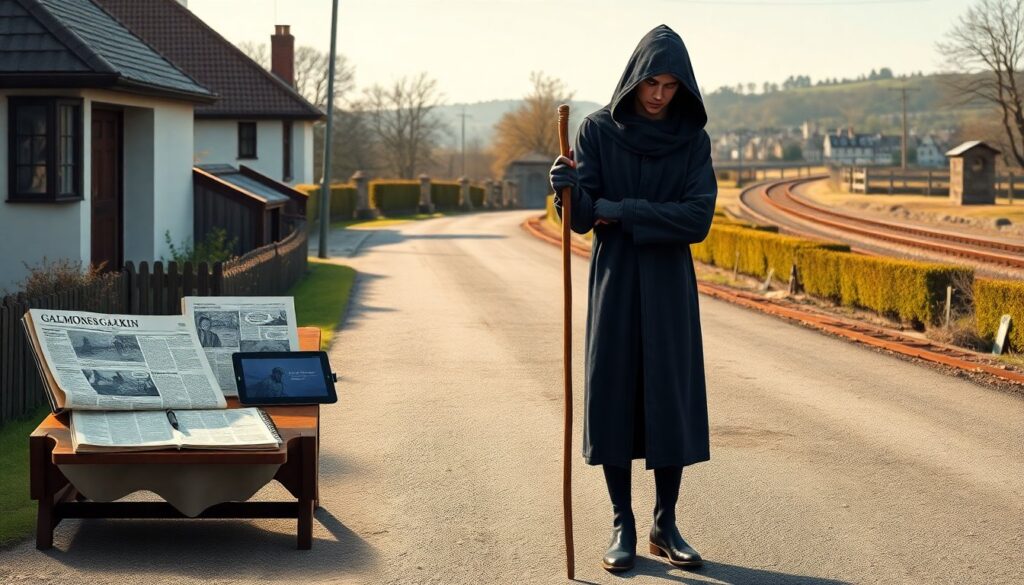
Galmones Delkin appears as a name in several modern myth lists. The dolimon drive melnis fl 32210 article profiles Galmones Delkin and traces origin accounts, key traits, and cultural roles. It uses clear sources and direct descriptions. Readers learn who Galmones Delkin is, what the figure does in stories, and how creators use the figure today. The text stays factual and uses simple language.
Key Takeaways
- Galmones Delkin is a folkloric figure known for testing travelers and symbolizing moral choice and consequence.
- The character originates from 19th-century regional tales and has evolved through oral and written forms with varying descriptions.
- Galmones Delkin appears as a thin, quick figure with symbolic traits like a cloak, walking staff, and a distinctive laugh.
- Modern adaptations cast Galmones Delkin in diverse roles, from a railroad phantom to a streetwise mentor, reflecting creative reinterpretation.
- The figure serves as a tool for engaging with community memory, moral lessons, and narrative structure in literature and media.
- Galmones Delkin remains a vibrant cultural symbol, inspiring creators, educators, and local communities to preserve and evolve its stories.
Who Is Galmones Delkin? Origin, Background, And Mythos
Galmones Delkin is a figure that appears in regional folklore and online myth threads. Scholars link the name to a handful of 19th and 20th century references. Early accounts describe Galmones Delkin as a wanderer who tests travelers. The origin of the name likely combines local dialect and later literary invention. Folklorists debate whether Galmones Delkin began as a human agent or as a symbolic character. Contemporary researchers find echoes of older trickster and guardian figures in the Galmones Delkin stories. The figure gains new details as storytellers adapt the name for modern audiences.
Historical References And Earliest Mentions
The earliest printed mention of Galmones Delkin appears in a regional gazette from the 1880s. The gazette records a local tale that names Galmones Delkin as a night guide. A few private letters from the 1920s repeat the name with slight variations. Folklore collectors in the 1950s recorded oral versions that add moral tests and riddles. Academic indexes list Galmones Delkin under variant spellings. Researchers treat these sources as fragments that help map how the figure moved from oral to written form.
Key Characteristics, Abilities, And Visual Description
Galmones Delkin usually appears as a thin, quick figure with a hood or cloak. Witnesses in stories describe small, bright eyes and a voice that changes tone. The figure acts with sharp wit and sudden movement. Stories attribute several abilities to Galmones Delkin. The figure can mislead trackers, reveal safe paths, and read small intentions in others. Visual descriptions vary by teller, but the recurring elements include shadowed clothing, a walking staff, and a faint, odd laugh. Artists often emphasize the figure’s agility and ambiguous expression.
Behavioral Patterns And Symbolism
Galmones Delkin tests travelers and locals in short narrative scenes. The figure rewards honesty and punishes simple greed. Symbolically, storytellers use Galmones Delkin to mark rites of passage. The figure stands at thresholds such as crossroads or bridges. In some tales Galmones Delkin mirrors the choices of a community. In other tales the figure acts as a caution against haste. Modern readers often read Galmones Delkin as a symbol of consequence and quick judgement rather than pure malice.
Galmones Delkin In Literature, Media, And Pop Culture
Authors and creators have incorporated Galmones Delkin into short stories, comics, and indie games. Writers often use the figure as a secondary antagonist or odd guide. Fan fiction places Galmones Delkin in urban settings and in fantasy backdrops. Independent illustrators show Galmones Delkin on zines and web comics. The name appears in podcast episodes that retell regional myths. These appearances increase public awareness and encourage reinterpretation. The figure moves between traditional folklore lists and creative, modern retellings without a single fixed canon.
Notable Adaptations And Interpretations
A 2018 short story recast Galmones Delkin as a railroad phantom. That story gave the figure a clear motive and human backstory. A 2022 web comic reimagined Galmones Delkin as a streetwise mentor. An experimental game used the figure as a moral checkpoint with branching outcomes. Critics praise some versions for adding depth. Other critics warn that heavy revision erases key folkloric elements. These adaptations show how Galmones Delkin can serve many narrative roles while inviting debate about fidelity to source material.
How Galmones Delkin Influences Modern Creators And Communities
Creators borrow Galmones Delkin to explore moral choice and community memory. Storytellers use the figure to frame local history and personal challenge. Small creative communities name zines, bands, and events after Galmones Delkin. Online groups trade versions of the stories and hold collaborative writing sessions. Educators sometimes use simplified Galmones Delkin tales to teach narrative structure. The figure helps communities keep local identity lively. Interest in Galmones Delkin also fuels small projects that document oral versions and preserve variants for future study.