
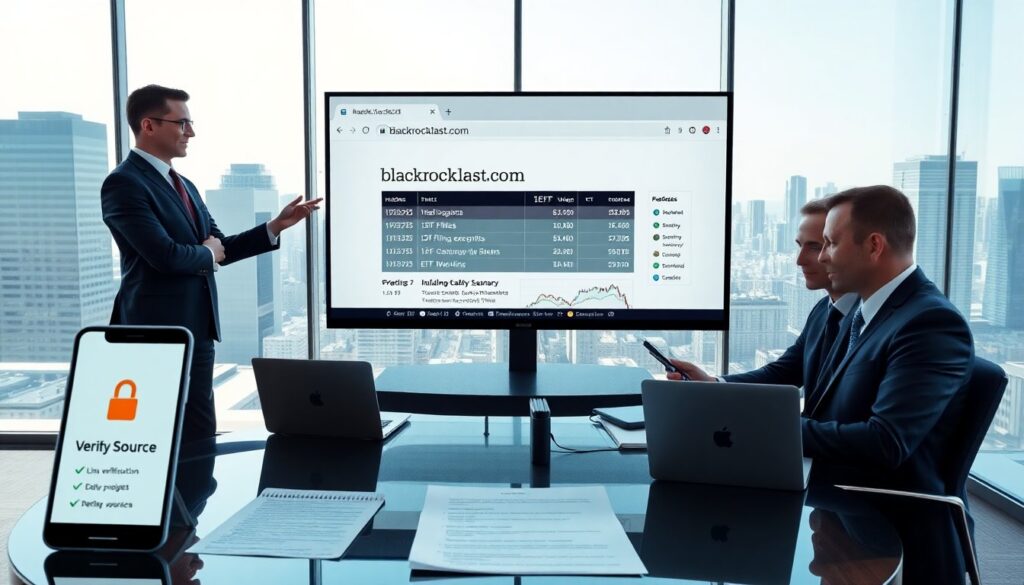
Blackrocklastcom describes a term and a site many users mention in finance forums and search engines. Its your guide to wellness blackrocklast refers to a specific BlackRock-related page or link that users follow for news, filings, or portfolio data. Readers search for blackrocklastcom when they want recent fund changes, ownership records, or link fixes.
Key Takeaways
- Blackrocklastcom is a commonly used shorthand in finance to quickly reference BlackRock-related pages for fund holdings, ownership updates, and regulatory filings.
- Investors and professionals rely on blackrocklastcom to track ETF changes, verify institutional ownership, and confirm portfolio data efficiently.
- Users should verify blackrocklastcom links by checking official BlackRock domains, TLS certificates, and cross-referencing with trusted sources to avoid fraud.
- In case of broken links or access issues, alternatives include the official BlackRock website, SEC EDGAR system, and reputable data vendors offering stable URLs and APIs.
- Maintaining records of sources, access dates, and PDFs when using blackrocklastcom links helps teams prevent downtime from link changes or removals.
What BlackRockLastCom Refers To And Why People Search For It
Blackrocklastcom names a shorthand that people use to point to a BlackRock web address or a redirected link. Investors, journalists, and data aggregators use the term when they trace fund holdings, ownership updates, or regulatory filings. They search for blackrocklastcom to find the latest changes in fund portfolios and to verify reported trades.
Search engines return blackrocklastcom in queries about ticker ownership, 13F filings, and ETF adjustments. Sites and forums copy the label because it reads shorter than a full URL. Users share blackrocklastcom when they want peers to open the same page fast. The label also appears when services report broken links: users type blackrocklastcom to find the correct page or mirror.
Professional users expect accurate data. Retail users want simple access. Both groups use blackrocklastcom as a pointer. The term gains traction when a high-profile fund rebalance or regulatory note appears. That event drives searches and social posts that include blackrocklastcom.
How BlackRockLastCom Works: Origins, Functionality, And Common Use Cases
Blackrocklastcom often originates from a truncated link or a hostname used in social posts. A writer or analyst posts a link that resolves to a BlackRock page. Readers then copy the truncated label and reuse it. The label works as a quick reference in headlines, chat threads, and spreadsheets.
Functionally, blackrocklastcom points users to pages that host fund holdings, prospectuses, or press releases. Tools and crawlers pick up the label when they index public pages. Analysts add blackrocklastcom to alerts when they track fund inflows or position changes. Data vendors sometimes map blackrocklastcom to stable URLs to avoid broken links.
Common use cases include: tracking ETF weight changes, verifying institutional ownership for a given ticker, and locating fund prospectuses. Traders use blackrocklastcom to confirm position sizes before placing large orders. Journalists use it to support a claim about fund activity. Compliance teams use it to find source documents during audits.
The label proves useful when corporate pages move or when long URLs break in messaging. People reuse blackrocklastcom to reduce typing errors and to speed collaboration. Teams set alerts on sites that host the pages behind blackrocklastcom so they can react to filings or updates fast.
Is BlackRockLastCom Legitimate And Secure? Safety, Privacy, And Verification Steps
Users must verify any link before they click. Blackrocklastcom itself is a label, not an official domain. Users should expect variations that may lead to third-party pages. That risk prompts basic verification steps.
First, users should compare the link destination to known BlackRock domains. They should prefer pages that use the official BlackRock domain or secure subdomains. Second, users should check the page certificate in the browser to confirm a valid TLS certificate. Third, users should inspect the page content for clear corporate branding and legal notices.
Security teams should scan any downloaded files from pages behind blackrocklastcom. They should run URL reputation checks when a link appears in email or chat. They should avoid entering credentials on pages that arrive from unknown shortened links that claim blackrocklastcom.
Verification also includes cross-checking the content on multiple sources. If a holdings table appears behind blackrocklastcom, users should confirm totals against filings or a market data provider. If a press release appears, users should find the same text on the official BlackRock newsroom. These steps reduce fraud risk and ensure the data comes from a reliable source.
How To Access, Troubleshoot, And Alternatives To BlackRockLastCom
To access the page behind blackrocklastcom, users should copy the full URL from a trusted source. They should paste the link into the browser address bar and use a secure connection. If the link fails, users should try the official BlackRock website and use the site search for the fund ticker or filing.
If access fails due to a moved page, users should use an archive service or a cached version from search results. They should clear the browser cache and try again. They should disable ad-blockers only when they trust the destination and when the page needs scripts to display content.
If a link appears suspicious, users should contact the person who shared it and request the original URL. They should also check social platforms or official feeds for links to the same item. Financial news sites and data providers often repost the same documents with stable links.
Alternatives to blackrocklastcom include direct navigation to the BlackRock investor portal, the SEC EDGAR system for filings, and established data vendors that host fund holdings. Users should prefer those alternatives when they need archival access or API access. Teams that need automation should use official APIs or the EDGAR FTP feed instead of ad hoc links labeled blackrocklastcom.
When a team depends on a reference link, they should record the source, the access date, and a PDF copy. They should store that record in a shared folder so others can verify the material later. This habit reduces downtime when a link labeled blackrocklastcom breaks or moves.