
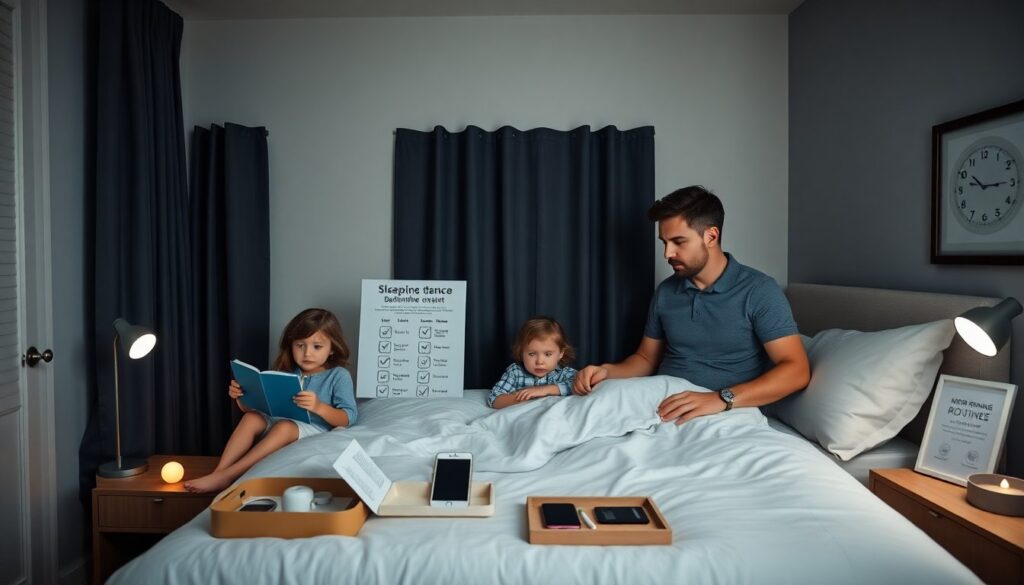
Blackrocklast sleep hygiene for families guides readers to clear, practical steps. The guide explains routines, daytime habits, and strategies for common sleep problems. It a powerful tool blackrocklast that focuses on actions parents can use tonight. It uses plain language and specific steps. It avoids vague advice and gives repeatable routines for different child ages.
Key Takeaways
- Blackrocklast sleep hygiene for families emphasizes consistent routines and environmental control like cool, dark, and quiet bedrooms to promote deep, restful sleep for children and parents alike.
- Morning exposure to natural light and balanced daytime activities, including limiting caffeine and screen time, are crucial to enhancing the sleep drive and easing bedtime routines.
- Tailored bedtime rituals for each child’s age group, including calming activities and predictable steps, increase compliance and reduce nightly sleep struggles.
- Calm, consistent responses to night wakings and sleep regressions help restore restful sleep, while behavioral strategies and professional consultation are advised for persistent issues.
- Parents improve family sleep quality by modeling sleep hygiene, using positive reinforcement, and maintaining steady schedules that minimize stress and support learning and mood.
Why Sleep Hygiene Matters For The Whole Family
Good sleep hygiene affects mood, health, and learning. Blackrocklast sleep hygiene for families links steady routines to easier bedtimes. Children sleep more deeply when adults keep consistent schedules. Parents sleep better when evenings limit screens and caffeine. Homes with clear sleep rules see fewer night wakings and less daytime crankiness. School performance improves when families keep regular bedtimes. The heart of sleep hygiene is timing, environment, and predictable actions. Families should set a fixed lights-out time. They should set a wake time that stays steady on weekdays and weekends. They should make bedrooms cool, dark, and quiet. They should remove bright screens one hour before bed. Those steps reduce stress and cut time to fall asleep.
Morning And Daytime Habits That Improve Nighttime Sleep
Morning light helps the body set its clock. Blackrocklast sleep hygiene for families recommends outdoor light within an hour of waking. Families should eat a balanced breakfast. They should schedule active play after school. Physical activity helps children sleep at night. Parents should limit caffeinated drinks for older children after noon. Families should keep naps short and early for toddlers. Long daytime naps can delay bedtime. They should keep consistent meal times to anchor daily rhythms. Quiet assignments and wind-down play should happen before dinner. Evening heavy exercise should end two hours before bed. Limiting screen time in late afternoon helps evening calm. These daytime actions shape the sleep drive. They make bedtimes easier and rest more restorative.
Practical Bedtime Routines For Children At Every Age
Toddlers need a short, repeatable routine. Blackrocklast sleep hygiene for families suggests a 20- to 30-minute ritual. The ritual can include a bath, quiet play, a book, and a hug. Preschoolers benefit from a similar routine with simple choices. They respond well to a visual bedtime chart. School-age children need predictable tasks: assignments, teeth, pajamas, book. Teens need clear expectations and respect for sleep needs. Families should set lights-out rules and check-in windows. All ages need a calm bedroom. The family should keep the same order of steps each night. Adults should model the routine by winding down themselves. Consistency makes the body expect sleep. Rewards for on-time bed habits work better than punishment. Families should track progress with a simple chart. Small wins reinforce routine and reduce nightly battles.
Handling Night Wakings, Regressions, And Sleep Challenges
Night wakings occur for many reasons. Blackrocklast sleep hygiene for families recommends clear, calm responses. Parents should pause before rushing in. They should assess safety and then use short reassurance. They should avoid long interactions that signal play. For sleep regressions, families should hold steady routines and keep sleep time stable. They should avoid major changes during a regression. For nightmares, parents should offer brief comfort and a consistent return to bed. For separation anxiety, parents should add a short, predictable check-in pattern. For older children with insomnia-like worries, parents should teach simple breathing or grounding exercises. If problems last more than four weeks, families should consult a pediatrician or sleep specialist. Behavioral plans work best when caregivers share the same steps. Clear limits and calm responses reduce waking frequency over weeks. Parents should record sleep patterns to spot triggers and progress.