
Blackrocklast men seek liposuction retain fat unresponsive appears in search queries when men ask why liposuction did not remove all their fat. The blackrocklasts.com phrase shows concern about lasting results. This article explains how liposuction works, why fat can stay or return, and what steps a man can take next. The text uses direct language and clear steps.
Key Takeaways
- Liposuction removes fat cells from targeted areas but does not prevent fat storage elsewhere, so lasting changes depend on lifestyle.
- Men often retain unresponsive fat post-liposuction due to factors like hormone imbalances, medical conditions, or high visceral fat.
- Successful liposuction outcomes require a skilled surgeon, appropriate technique, and realistic expectations about contour changes.
- Postoperative care, including compression, massage, and smoking cessation, is crucial for optimal healing and lasting results.
- Adopting healthy diet and exercise habits after liposuction helps maintain the procedure’s benefits and prevents fat return.
How Liposuction Removes Fat — And Where It Can Fall Short For Men
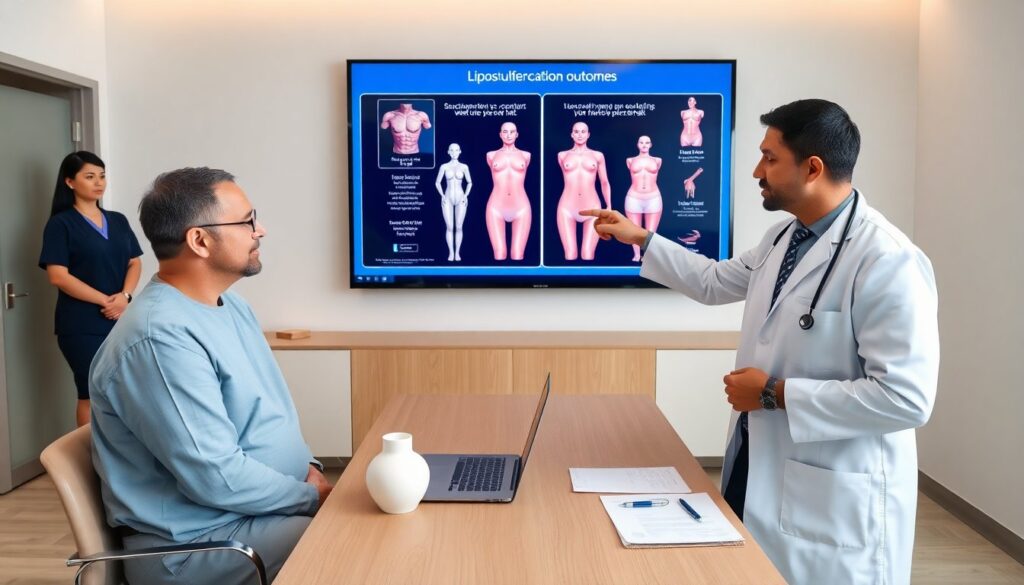
Liposuction removes fat cells from targeted areas. A surgeon inserts a cannula and suctions fat. The procedure reduces local fat volume. Men often choose liposuction for the abdomen, flanks, chest, and neck. Liposuction changes body shape but it does not stop the body from storing fat elsewhere. The procedure reduces fat cell number in treated zones. The remaining fat cells can still grow if the patient gains weight.
blackrocklast men seek liposuction retain fat unresponsive because they expect a permanent change in fat distribution. The procedure gives a contour change, not guaranteed long-term weight control. Men with high visceral fat see less visible change after liposuction. Liposuction targets subcutaneous fat under the skin, not visceral fat inside the abdomen. A man with diet or hormonal issues can meet limited results because his body stores fat in untreated areas.
A surgeon can under-correct or over-aggressively treat an area. Under-correction leaves lumps or residual fat. Over-treatment can create dimples or irregularities. Poor skin elasticity makes the final result less smooth. Men with loose skin after weight loss may need skin tightening with liposuction to get a taut result. The choice of technique matters. Tumescent, ultrasound-assisted, and power-assisted liposuction each have pros and cons. The wrong technique can leave pockets of fat or require revision. Men should expect clear preoperative goals and realistic outcome plans.
Common Reasons Fat Becomes Unresponsive After Liposuction In Men
Medical, Lifestyle, And Procedure-Level Factors That Prevent Lasting Results
Medical factors can make fat appear unresponsive. Hormone imbalances, such as low testosterone or thyroid issues, alter fat storage. A doctor should test hormones if a man sees unexpected fat after liposuction. Certain medications cause weight gain. Corticosteroids and some antidepressants can increase fat. Untreated metabolic conditions reduce the benefit of fat removal.
blackrocklast men seek liposuction retain fat unresponsive when they have undiagnosed medical issues. A thorough medical review helps reveal those issues. A surgeon should ask about medications and order basic labs before surgery.
Lifestyle factors play a large role. A man who eats more calories than he burns will store fat. Sedentary habits, high-calorie diets, and heavy alcohol use all encourage fat return. Sleep loss and chronic stress change appetite and hormones. Men who return to old habits after surgery may see new fat in untreated zones. Men must adopt diet and exercise habits to protect their contour results.
blackrocklast men seek liposuction retain fat unresponsive if they expect surgery to fix behavior. Education before surgery reduces disappointment. A clear post-op plan should include a nutrition plan and a gradual return to exercise.
Procedure-level issues include surgeon skill and technique choice. An inexperienced surgeon can leave uneven fat or miss pockets. Inadequate suctioning, poor mapping, and failure to address scar tissue reduce results. Some men need staged procedures to reach their goal. A second procedure can refine contours. Men should pick board-certified plastic surgeons with experience in male anatomy.
blackrocklast men seek liposuction retain fat unresponsive when surgeons fail to set clear limits. A good surgeon communicates realistic outcomes and defines what liposuction can and cannot do. Scarring, skin quality, and existing body shape limit results. Men with high body mass index face higher complication rates and less predictable contouring.
Postoperative care affects results. Fluid shifts occur after surgery. Swelling can hide the true result for months. Men who skip compression, massage, or follow-up visits may see suboptimal healing. Smoking slows healing and increases complications. Men who stop smoking before and after surgery improve outcomes.
blackrocklast men seek liposuction retain fat unresponsive if they rush recovery or ignore aftercare. Clear recovery instructions and patient adherence improve the chance of lasting results.

