
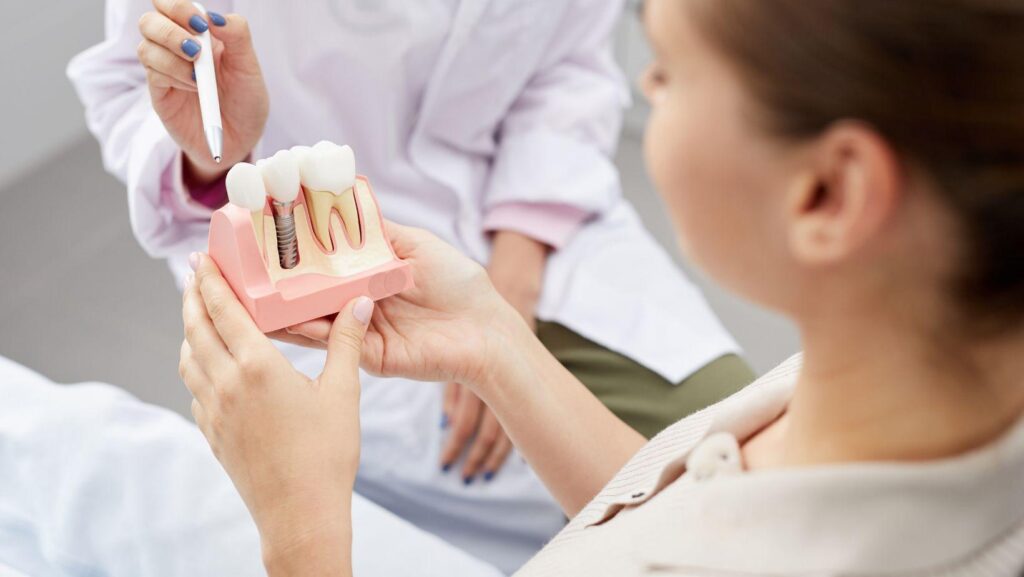
Losing a tooth might seem minor at first, but waiting to replace it with an implant leads to jawbone shrinkage and shifting teeth. That makes future treatment a lot trickier.
Acting sooner cuts down on bone loss and helps keep your bite in line. It usually keeps your implant options simpler—and honestly, less expensive.
Over time, you'll probably notice changes in chewing, speech, and even how your smile looks. The longer you wait, the harder these issues get to fix.
Let's break down the risks, what can go wrong for your oral health, and how putting off replacement changes daily life. It's worth knowing what you're getting into before deciding what's next—and if you're ready to take that step, exploring dental implants in Greenville, SC is a solid place to start.
Risks of Delayed Tooth Replacement
If you hold off on replacing a tooth, you set off permanent changes in your bone, nearby teeth, and how your bite works. The longer you wait, the more complicated, lengthy, and pricey implant treatment becomes.
Bone Loss and Jaw Deterioration
When you lose a tooth, the jawbone at that spot stops getting the usual chewing pressure. Bone needs that stimulation to stay strong.
Without it, the bone starts shrinking—sometimes within months. You might lose a lot of bone in just the first year.
Less bone means fewer implant options. You might end up needing bone grafts or sinus lifts before you can even get an implant.
These extra steps add healing time and costs. They also make the outcome a bit less predictable than if you’d acted before major bone loss.
Shifting of Adjacent Teeth
Neighboring teeth often drift into the empty space when there’s no support. That can tilt teeth, create gaps, and mess with how your teeth touch each other.
Crowding or new spaces make cleaning harder, raising your chances for cavities and gum disease.
If teeth have shifted, placing an implant gets tricky. Sometimes you’ll need braces or aligners first to move teeth back into place.
That means more appointments, more months, and more money.
Impact on Bite Alignment
Losing a tooth changes how your upper and lower teeth meet when you chew. The tooth above or below can start to “over-erupt” into the gap, throwing off your bite.
That leads to new pressure points, uneven wear, and extra strain on your jaw joints.
You could end up with TMJ discomfort, muscle fatigue, or even cracked teeth. Fixing a messed-up bite might mean working on several teeth—not just one.
Oral Health Complications
Putting off an implant can trigger a bunch of local problems. Your gums, cleaning habits, and even the shape of your jawbone can take a hit.
Increased Risk of Gum Disease
When a tooth’s missing, the gum and tissues nearby start to change shape and can shrink back. That creates deeper pockets and can expose roots on neighboring teeth.
Plaque builds up more easily, and gum inflammation can turn into periodontitis.
If infection sets in, you risk loose teeth or losing more teeth. Treating gum disease often means deep cleanings, antibiotics, or even surgery.
All of that just makes getting an implant later a bigger hassle.
Difficulty Maintaining Oral Hygiene
A gap in your teeth changes how food and plaque get trapped. You’ll probably notice more food getting stuck, and you might reach for floss picks or brushes more often.
Brushing gets awkward, and new hard-to-reach spots pop up. Those areas build up more tartar and stains, which ups your risk for cavities next to the gap.
If your mouth isn’t clean and healthy, your dentist will want to fix that before you get an implant.
Changes in Facial Structure
Bone needs pressure from teeth or implants to keep its shape. Without it, you start to lose bone height and width, sometimes pretty quickly.
This bone loss doesn’t just affect the gap. It can change your jawline and make your cheeks or lips look a little sunken.
Rebuilding lost bone usually means grafting or similar procedures before an implant. That means more time, money, and a bit more risk.
Functional and Lifestyle Effects
Waiting to replace a missing tooth can mess with eating, speaking, and even your confidence. These changes sneak up on you but can really affect your everyday life.
Problems with Chewing and Eating
With a tooth gone, you’ve got less surface area to chew. That puts more pressure on the teeth next to the gap.
You might start skipping foods that are tough to chew—nuts, steak, raw veggies. Over time, your diet shrinks, and that can mess with your nutrition.
Teeth can drift into the gap, changing your bite. That can wear down teeth unevenly or make them sensitive or even break.
If bone loss sets in, nearby teeth and future prosthetics lose support. That makes getting an implant later more complicated and might mean you need bone grafts.
Speech Difficulties
Missing a tooth, especially up front, changes how your tongue hits your teeth and the roof of your mouth. You might notice a lisp, slurred words, or trouble with certain sounds.
You could start speaking differently to compensate. That can make talking more tiring or harder to understand, especially in noisy places.
If you put off replacement, these habits can stick. After you finally get an implant, you might need speech therapy or adjustments to get your pronunciation back on track.
Self-Esteem and Psychological Impacts
A visible gap can really change how you show up in social or professional situations. Maybe you smile less, cover your mouth, or dodge close-up photos.
That kind of self-consciousness makes it harder to connect with others. It might even hold you back from networking or just enjoying yourself.
Worries about how you look can crank up anxiety, especially when you’re in the spotlight—think job interviews or public speaking. Those nerves can push you to put off getting help, which just keeps the cycle going.
Replacing the tooth helps you get back both function and appearance. But if you wait, you’re stuck living with those nagging psychological effects even longer.

