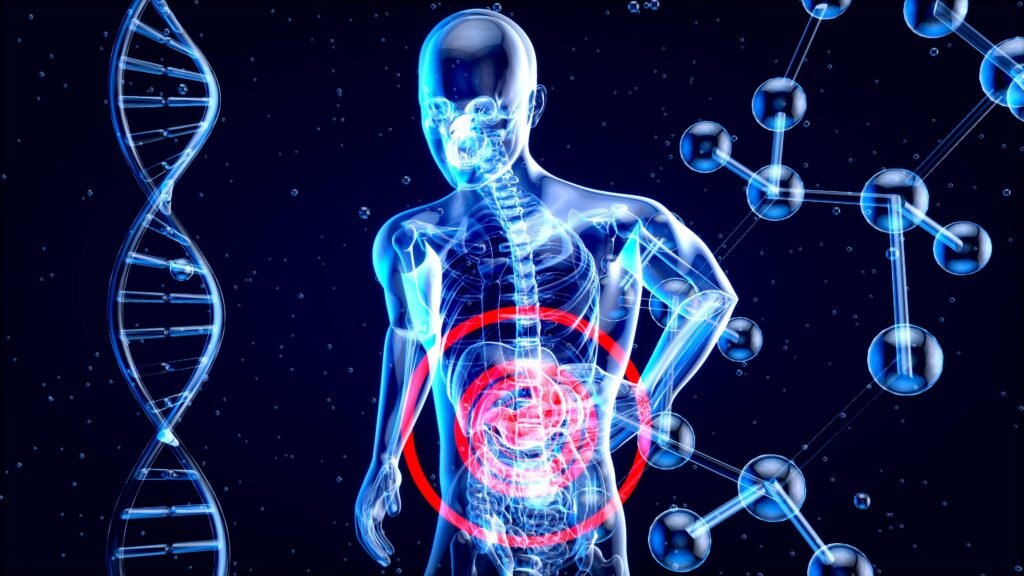
The Gut-Estrogen Recycling Loop is a process that impacts your gut health and plays a crucial role in hormonal balance. The intricate relationship between your gut and hormonal regulation might not be dinner table conversation, but its significance is undeniable.
This guide explores what this loop is all about and why it matters for your overall well-being. Learn how probiotics for women, lifestyle changes, and your diet can help contribute to the essential balances within your system in this helpful article.
How Are Gut Health and Estrogen Linked?
The gut microbiota, comprising trillions of microbes residing in your digestive system, is involved in maintaining your gut health. These microbes support various functions, from aiding digestion to boosting your immune system.
On the other hand, estrogen, a primary female sex hormone, plays a pivotal role in regulating the menstrual cycle, supporting bone health, and influencing mood. Its presence is essential for maintaining reproductive function, preserving bone density, and modulating emotional well-being.
The Gut-Estrogen Connection
The Gut-Estrogen Recycling Loop involves a dynamic interplay between your gut bacteria and estrogen levels. Estrogen, once processed by the liver, is excreted into the intestines.
Within the gut, certain bacteria metabolize estrogen, breaking it down into forms that can be reabsorbed into the bloodstream. This cycle of elimination and reabsorption is what constitutes the Gut-Estrogen Recycling Loop.
Factors Influencing the Gut-Estrogen Loop
Diet is important for shaping your gut microbiome and impacting estrogen metabolism. A diet rich in fiber and fermented foods can promote a diverse and healthy gut flora, which, in turn, supports efficient estrogen processing.
On the flip side, a diet high in processed foods and sugars can disrupt the delicate balance of gut bacteria, potentially leading to estrogen imbalances. Stress is another factor that can influence the Gut-Estrogen Loop.
Chronic stress can alter gut permeability, setting the stage for inflammation and affecting the balance of gut bacteria. This, in turn, can disrupt the normal metabolism of estrogen in the gut, contributing to hormonal imbalances.
Regular physical activity is beneficial for your overall health and helps maintain a healthy Gut-Estrogen Loop. Exercise can help support gut health by promoting diversity in the gut microbiome and enhancing intestinal motility, which can aid in the elimination of estrogen metabolites from the body.
Probiotics for Women: Supporting Gut Health and Hormonal Balance
Probiotics, commonly known as “good bacteria,” can help support gut health and hormonal balance in women. These beneficial microorganisms help maintain a balanced flora throughout your body, such as in the vagina or in the gut, which is essential for optimal digestion and nutrient absorption.
When it comes to the Gut-Estrogen Loop, probiotics can help regulate estrogen metabolism by balancing gut bacteria involved in estrogen processing. Incorporating probiotic-rich foods like yogurt, kefir, sauerkraut, and kimchi into your diet can help support a healthy gut microbiome and hormone regulation.
Gut Health, Estrogen, and Women’s Health
The connection between gut health, estrogen levels, and women’s overall health is significant. Hormonal imbalances, often linked to disruptions in the Gut-Estrogen Loop, can contribute to various health issues in women.
Conditions such as polycystic ovary syndrome (PCOS), endometriosis, and irregular menstrual cycles can be influenced by imbalances in gut flora and estrogen metabolism. Maintaining a healthy gut microbiome and supporting efficient estrogen processing are essential for managing these conditions and promoting women’s health.
Tips for Improving Gut Health and Hormonal Balance
Maintaining a healthy gut and hormonal balance is crucial for overall well-being. These tips offer practical strategies to enhance the Gut-Estrogen Loop and promote a healthier you.
Eat a Balanced Diet
Incorporate fiber-rich foods, fruits, vegetables, and fermented foods into your diet to promote a diverse gut microbiome and support estrogen metabolism.
Manage Stress
Practice stress-reducing techniques such as meditation, yoga, or deep breathing exercises to support gut health and hormonal balance.
Stay Active
Engage in regular physical activity to promote gut motility and maintain a healthy gut microbiome, which can aid in estrogen metabolism.
Limit Processed Foods
Reduce your intake of processed foods, sugar, and artificial additives, as these can disrupt gut bacteria and estrogen processing.
Consider Probiotic Supplements
If you struggle to incorporate probiotic-rich foods into your diet, consider taking probiotic supplements to support vaginal and gut health.
Nurturing Your Gut-Estrogen Connection
The Gut-Estrogen Recycling Loop is a fascinating aspect of your body’s intricate systems that highlights the crucial connection between gut health and hormonal balance. Understanding how factors like diet, stress, and physical activity influence this loop can empower you to make healthier choices that support your overall well-being.
By incorporating probiotics, maintaining a balanced diet, managing stress levels, and staying active, you can nurture a healthy gut microbiome and promote efficient estrogen metabolism. Remember, a healthy gut is key to hormonal harmony and women’s health. Stay informed, take care of your gut, and prioritize your well-being for a healthier, happier you.